
SEPTIC TANK REPAIR RENO, NV
Septic Tank Repair in Reno, NV
Septic tank repair in Reno, NV for leaks, damaged components, slow drainage, odors, alarms, and other system problems, with clear diagnosis and practical repair recommendations. Call today for a fast, free estimate.
- Licensed & Insured
- Locally Owned
- Serving Since 2016
Get Your Free Quote
Confidential · We respond within one business day
Home › Septic Tank Repairs
Septic tank repair in Reno, NV starts with identifying what is actually causing the problem. Slow drains, sewage odors, wet ground, alarms, backups, or an unusually high tank level can come from different parts of the system, so the right repair depends on what we find. Reno Septic Service evaluates accessible septic components and provides targeted repairs for damaged lids and risers, baffles, filters, pumps, floats, alarms, piping, and other serviceable parts when appropriate.
Our crew provides professional septic tank service in Reno, NV for homeowners who need more than routine maintenance. We explain the likely cause, what can be repaired, and when a larger system problem may require additional evaluation or replacement instead of a temporary fix. Call (775) 305-6738 or request your free quote.
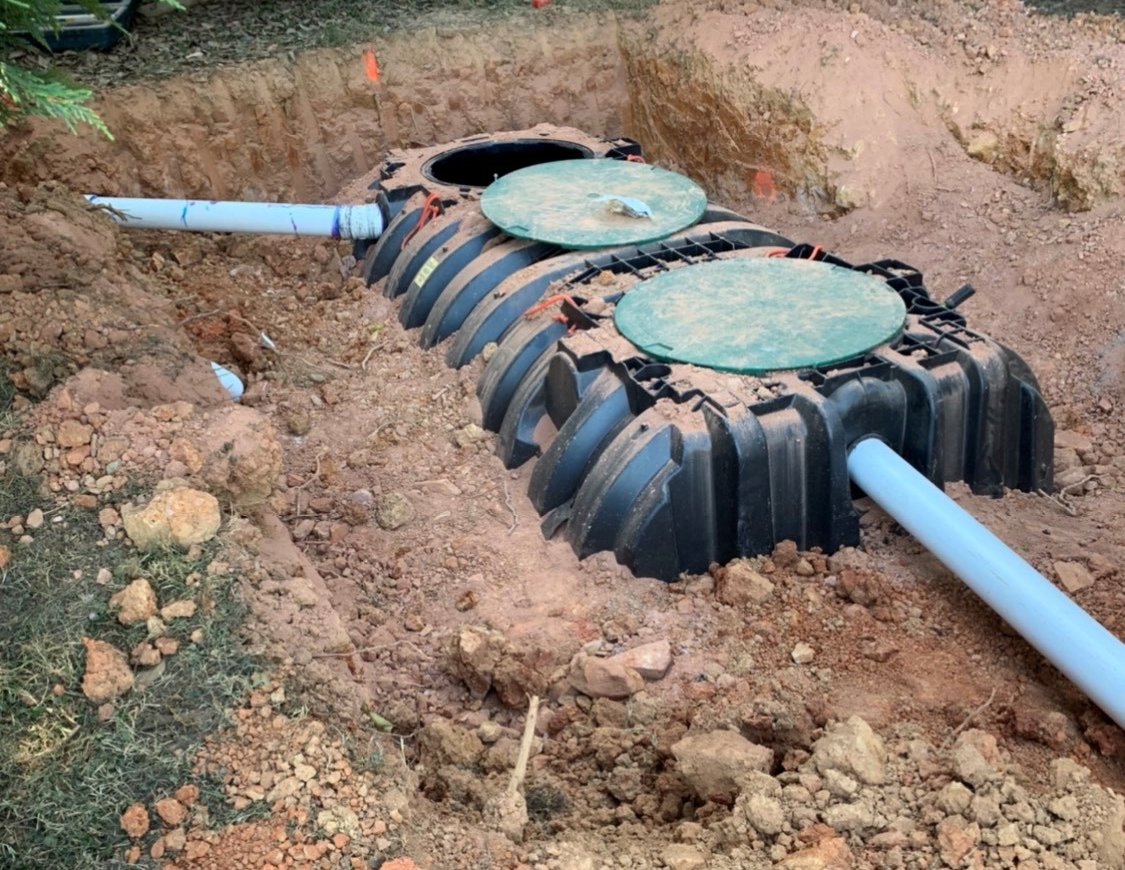
Septic Tank Repairs Tailored to Reno Properties
Septic problems do not always point to the same failure. A backup can be caused by an overfull tank, a blocked line, a damaged baffle, a failed pump, or a problem farther downstream. Odors may come from a loose or damaged lid, venting issue, leaking connection, or wastewater reaching an area where it should not. Before recommending a repair, we look at the symptoms, the system layout, recent maintenance, and the accessible components that may be involved.
Properties around Reno also vary widely in age, tank material, access, terrain, and system design. Some systems have modern risers and filters that are easy to service, while older properties may have buried lids, older concrete components, limited records, or additions that changed how the site is used. Those differences affect both diagnosis and the repair approach.
We focus on correcting the actual problem rather than treating every symptom as a reason for a full replacement. When a component can be repaired or replaced independently, we explain that option. When the condition points to a larger issue with the tank, piping, distribution system, or drainfield, we explain what additional evaluation may be needed before more work is authorized.
How We Diagnose and Repair Septic System Problems
Repair work begins with the symptoms you are seeing. We ask when the problem started, whether it affects one fixture or the whole property, when the tank was last serviced, whether an alarm has activated, and whether you have noticed odors, wet soil, surfacing wastewater, or changes in drainage. Those details help narrow down where the problem may be occurring.
Next, we inspect the accessible portions of the system and check conditions that can be observed safely. Depending on the problem, that may include the tank level, lids and risers, inlet and outlet areas, accessible baffles or tees, effluent filters, pumps, floats, alarms, and visible piping. If accumulated solids are preventing a meaningful evaluation, septic tank pumping may be needed before the condition of certain components can be seen clearly.
Once the cause is identified, we explain the repair scope before work begins. A repair may involve replacing a damaged lid or riser, correcting an accessible connection, servicing a filter, replacing a failed pump or control component, repairing accessible piping, or addressing another specific defect. The exact work depends on the system and what can be confirmed on site.
After the repair, we check the repaired component and the observable system operation before the access area is secured. If symptoms suggest a separate drainfield, line, or system-capacity problem, we make that distinction clear so a component repair is not presented as a cure for an unrelated failure.
Septic Components We Commonly Repair or Replace
A septic system contains several components that can wear out, become damaged, or stop functioning correctly over time. Lids and risers can crack or shift, seals can deteriorate, filters can clog, and inlet or outlet components can become damaged. Systems that use pumps may also develop problems with floats, alarms, controls, wiring, or the pump itself.
Accessible piping and connections can be affected by settling, roots, age, accidental damage, or movement around the tank. A broken or deteriorated baffle or sanitary tee can interfere with normal flow and allow solids to move where they should not. Correcting these component problems can restore proper operation when the rest of the system is still functioning as intended.
Not every septic problem is a tank repair. Wastewater surfacing over the drainfield, persistent high liquid levels, repeated backups, or flow returning toward the tank after pumping can point to a problem outside the tank itself. Likewise, structural deterioration of the tank or extensive system failure may make replacement more appropriate than piecemeal repairs. We explain what is visible and what additional evaluation is needed before recommending a larger scope of work.
Permits, Site Conditions, and Local Septic Repair Requirements
Septic repair work in Reno and Washoe County can involve more than replacing a visible part. The location of the tank, depth of buried components, nearby wells or property features, access for excavation, and the extent of the failed area can all affect how a repair is planned. Some repairs can be limited to a component, while others may involve piping, disposal areas, or changes that require formal review.
Northern Nevada Public Health publishes septic system and liquid waste guidance for Washoe County and states that septic repairs are submitted through its online permitting process. Requirements can vary with the repair scope and site conditions, so the appropriate approval path should be confirmed before regulated work is covered or completed.
We account for access and site conditions before excavation begins. Deep lids, landscaped areas, steep lots, fences, irrigation, utilities, snow, frozen ground, and limited equipment access can all influence the work. If the repair exposes conditions that are substantially different from what was expected, the next step should be based on the actual system condition rather than forcing the original repair plan to fit a different problem.
Septic Tank Repair Cost Factors in Reno, NV
The cost of septic tank repair in Reno, NV depends on what failed, how difficult the component is to reach, and how much work is required to correct the problem. A straightforward lid, riser, filter, alarm, or accessible connection repair is very different from a project that requires excavation, troubleshooting electrical components, repairing buried piping, or addressing multiple failed parts.
Access is a major cost factor. A shallow riser in an open yard is easier to reach than a deeply buried tank under landscaping or behind limited equipment access. The tank material, age of the system, availability of compatible replacement parts, depth of piping, and amount of excavation can also affect labor and materials.
Diagnosis matters because replacing the wrong component wastes money and may leave the original problem unchanged. We separate the confirmed repair from optional or unrelated work whenever possible and explain when additional testing or evaluation is needed before a reliable estimate can be given.
If the system has extensive structural damage or a failed disposal area, continuing to repair individual components may not be the most practical long-term choice. In those situations, we explain the findings so you can compare repair costs with the scope of a larger system solution.
Repair vs. Replacement, Warning Signs, and How to Prepare
Many septic problems can be corrected without replacing the entire system, especially when the failure is limited to a lid, riser, baffle, filter, pump, float, alarm, or accessible section of piping. Replacement becomes more likely when the tank has serious structural deterioration, the drainfield can no longer accept wastewater, the system is undersized for the property, or repeated repairs are no longer addressing the underlying condition.
If replacement is the more appropriate solution, our septic tank installation service covers new and replacement systems planned around the property, approved design, tank placement, piping, and drainfield. We do not recommend a full replacement simply because a system is old; the recommendation should be based on the condition and function of the system.
Common warning signs that deserve prompt attention include sewage backing up into fixtures, wastewater surfacing outdoors, persistent odors, alarms that continue to activate, unusually slow drainage throughout the property, standing water near the tank or drainfield, or visible damage around septic access points. Reduce water use if the system is actively backing up and avoid opening or entering a septic tank yourself.
Before the appointment, clear vehicles and stored items from the tank area, unlock gates, secure pets, and tell us about known tank locations, buried utilities, irrigation, soft ground, or previous repair work. If you have septic records, pumping history, permits, or past inspection notes, having them available can make diagnosis more efficient and help us understand how the system was originally configured.