
SEPTIC TANK Service RENO, NV
Your Local Septic Tank Service in Reno, NV
Our septic tank service in Reno, NV helps you prevent costly backups, protect your drain field, and get the right solution, whether your system needs pumping, inspection, troubleshooting, or repair. Call today for fast service and a free estimate.
- Licensed & Insured
- Locally Owned
- Serving Since 2016
Get Your Free Quote
Confidential · We respond within one business day
Home › Reno
Reno Septic Service provides homeowners, landlords, and businesses in Reno, NV with septic tank pumping, cleaning, inspections, repairs, and system support. From routine maintenance to backups, damaged components, and drain field concerns, our goal is to identify the problem clearly and recommend the right next step. For dependable septic tank service in Reno, NV, we focus on responsive scheduling, careful work, and straightforward communication from the first call through completion.
Straightforward Pricing for Septic Tank Service in Reno, NV
Septic service pricing depends on more than the number of gallons a truck removes. Tank size, waste level, lid depth, access, travel distance across the property, hose length, digging, and the condition of the system can all affect the work involved. We explain what is included before service begins and separate routine pumping from diagnostic or repair work, so you understand what you are approving.
Many Reno-area properties have tanks that were installed years ago and are now hidden beneath lawns, gravel, decks, landscaping, or additions. A buried lid or an unknown tank location can add time because the access point must be found and exposed safely. Narrow gates, steep driveways, parked vehicles, snow, ice, and long distances between the tank and the service truck can also change how the appointment needs to be handled.
A proper estimate should reflect the actual condition of the property instead of relying on a one-size-fits-all price. Routine septic tank pumping is usually straightforward when the tank is accessible and the system is functioning normally. If there are sewage backups, standing water, damaged lids, broken baffles, clogged lines, pump alarms, or drain field symptoms, professional septic tank repairs or additional testing may be needed. Pumping can relieve an overfull tank, but it does not permanently correct every septic system problem.
When more than one solution is available, we explain the practical differences. A homeowner may need only scheduled pumping and a basic inspection, while another property may require a component repair, line service, or a broader evaluation of the drain field. Clear options help you protect the system without paying for work that does not address the real issue.
Septic Systems for Reno Properties and Site Conditions
Reno sits within the Truckee Meadows, where properties can vary significantly in lot size, elevation, slope, soil conditions, landscaping, and access. Homes within the urban core may be connected to public sewer, while many properties in outlying Reno and unincorporated Washoe County depend on onsite sewage disposal systems. Septic service must account for the actual site rather than assuming every system was designed or installed the same way.
A conventional septic system uses the tank to separate solids from wastewater before liquid flows to the soil treatment area. Even in Northern Nevada’s dry climate, the drain field still needs suitable soil and enough undisturbed area to accept and treat wastewater. Excess water use, accumulated solids, damaged components, poor drainage, or vehicle traffic over the field can interfere with that process.
Many rural and semi-rural properties around Reno also use private wells. Septic maintenance is important because a failing system can affect nearby groundwater and drinking-water sources. The tank, drain field, replacement area, well, buildings, driveways, and property improvements all need to be considered before excavation or major repair work begins.
Existing fences, sheds, RV pads, mature landscaping, irrigation lines, retaining walls, and paved areas can make access more complicated. Before adding a structure or driving heavy equipment across the yard, it is important to know where the tank, distribution components, and drain field are located. Compacting the soil or damaging underground piping can turn a preventable issue into a costly repair.
If the system location or history is unclear, prior permits, inspection reports, pumping records, and septic or well records may help establish what is on the property. We recommend keeping a simple record of the tank location, service dates, repairs, and inspection findings so future maintenance is faster and easier.
Septic Pumping and Maintenance for Northern Nevada Weather
Most household septic tanks need pumping every few years, but the correct schedule depends on tank size, household size, water use, garbage disposal use, and the amount of sludge and scum inside the tank. The U.S. Environmental Protection Agency generally recommends inspecting household systems every one to three years and pumping tanks about every three to five years, with more frequent attention for systems that include pumps, floats, alarms, or other mechanical components.
Reno’s high-desert seasons create practical service considerations. During winter, snow, ice, and frozen ground can make lids harder to locate and access. Keeping the tank area identifiable and reasonably clear can reduce unnecessary digging and appointment delays. During wet periods or rapid snowmelt, standing water or unusually soft ground near the drain field deserves attention, especially when it appears along with slow drains or plumbing backups.
Water use inside the home has a direct effect on the septic system. A large amount of laundry, several showers, leaking toilets, or guests using the property can send more wastewater to the tank and drain field than the system normally receives. Spreading laundry across the week, repairing leaks, and avoiding unnecessary water use helps prevent hydraulic overload.
What goes down the drain matters just as much as water volume. Wipes labeled flushable, grease, cooking oil, feminine hygiene products, paper towels, cat litter, chemicals, and other non-biodegradable materials should not enter the system. These items can clog piping, increase solids, damage components, or interfere with the biological treatment process.
The drain field should remain protected between appointments. Avoid parking, building, paving, or placing heavy equipment over it. Direct roof drains, sump discharge, and excessive irrigation away from the treatment area whenever possible. Routine care is usually less disruptive and less expensive than waiting for sewage to back up or surface in the yard.
Septic Repairs, Drain Field Problems, and New System Work
Septic pumping removes accumulated solids and gives the service professional an opportunity to observe accessible parts of the tank, but repairs should be based on the actual source of the problem. Common issues can involve lids and risers, inlet or outlet baffles, effluent filters, distribution boxes, pumps, floats, alarms, building sewer lines, or damaged piping between system components.
Drain field problems require careful evaluation. Warning signs can include slow plumbing throughout the home, recurring backups, sewage odors, soggy ground, standing wastewater, or unusually green and spongy grass over part of the treatment area. These symptoms may result from an overloaded system, solids leaving the tank, damaged piping, poor distribution, unsuitable site conditions, or a field that has reached the end of its service life.
Not every drain field concern requires the same response. Some problems can be traced to a repairable component or a temporary hydraulic overload. Other systems may need line work, distribution repairs, a replacement treatment area, or a redesigned onsite sewage disposal system. The correct approach depends on the existing design, property conditions, inspection findings, and current regulatory requirements.
A new septic tank installation, replacement, repair, or abandonment in Washoe County may require review and permits through Northern Nevada Public Health. Some properties may also require engineered design work or connection to available public sewer, depending on the location and agency approval. Permitting should be addressed before excavation so the completed work can be inspected and documented correctly.
A larger septic project may involve coordination among the property owner, septic contractor, designer or engineer, excavator, utility-locating service, and local inspectors. Planning access, protecting the well and existing improvements, identifying underground utilities, and documenting the final layout can help prevent delays and future uncertainty.
Septic Inspections, Warning Signs, and How to Get Started
Septic systems often show warning signs before complete failure. Call for service when multiple drains are slow, toilets gurgle, sewage backs up, an alarm activates, odors develop near the tank or drain field, or wet areas appear where the ground is normally dry. A single clogged fixture may be a plumbing issue, but symptoms affecting the entire home can point to the main line, tank, pump, or soil treatment area.
Do not ignore sewage surfacing outdoors or backing up into the house. Wastewater can contain harmful pathogens, and contact should be avoided. Limit water use, keep people and pets away from affected areas, and arrange a professional evaluation rather than opening the tank or attempting a repair without the proper equipment.
Septic inspections are also valuable when buying or selling a property, planning an addition, changing occupancy, adding bedrooms, or purchasing a home with limited maintenance records. An inspection can help identify the system type, accessible components, service condition, and questions that need to be resolved before a major property decision.
Before the appointment, gather any available septic records and note when the system was last pumped. Clear vehicles, locked gates, and movable items from the likely access route. Tell the service provider about alarms, odors, backups, recent heavy water use, or previous repairs. Do not remove a heavy or damaged lid unless specifically instructed, because septic tanks can contain dangerous gases and present a fall hazard.
If you need septic tank service in Reno, NV, the next step is simple. Contact Reno Septic Service to describe the symptoms, property location, and known system history. We will help determine whether you need routine pumping, an inspection, repair service, or a more detailed evaluation, then provide a clear plan for protecting your property and restoring dependable wastewater service.
Our Septic Services in Reno, NV
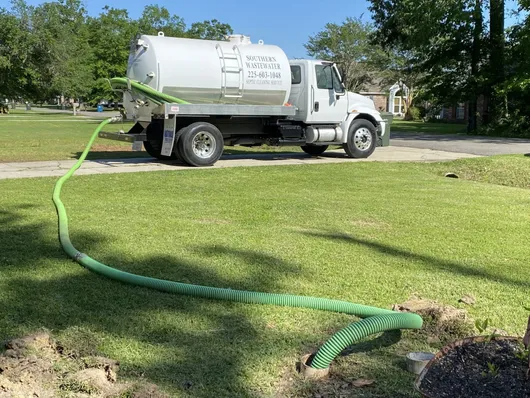
Septic Tank Pumping
Routine septic tank pumping for Reno-area properties to remove accumulated solids, reduce backup risk, and support dependable system performance.
- Complete tank pumping and waste removal
- Sludge and scum level evaluation
- Visual check of lids, baffles, and accessible components
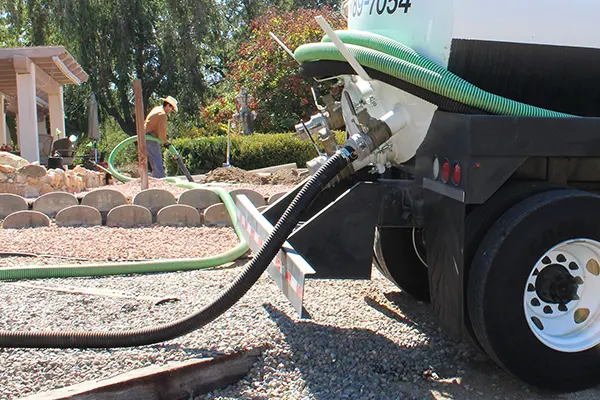
Septic Tank Service
Full-service septic care for routine maintenance, troubleshooting, and system evaluations to help residential systems operate safely and efficiently.
- General system condition assessment
- Tank, lid, baffle, and line checks
- Maintenance recommendations based on findings
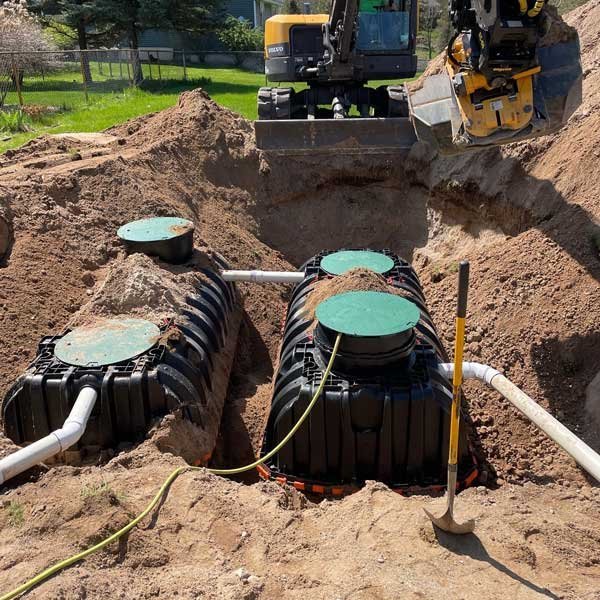
Septic Tank Installation
Septic tank installation for new construction and replacement systems, planned around property conditions, capacity needs, and local requirements.
- Site and system requirement review
- Tank placement and installation coordination
- Final connection and operating checks
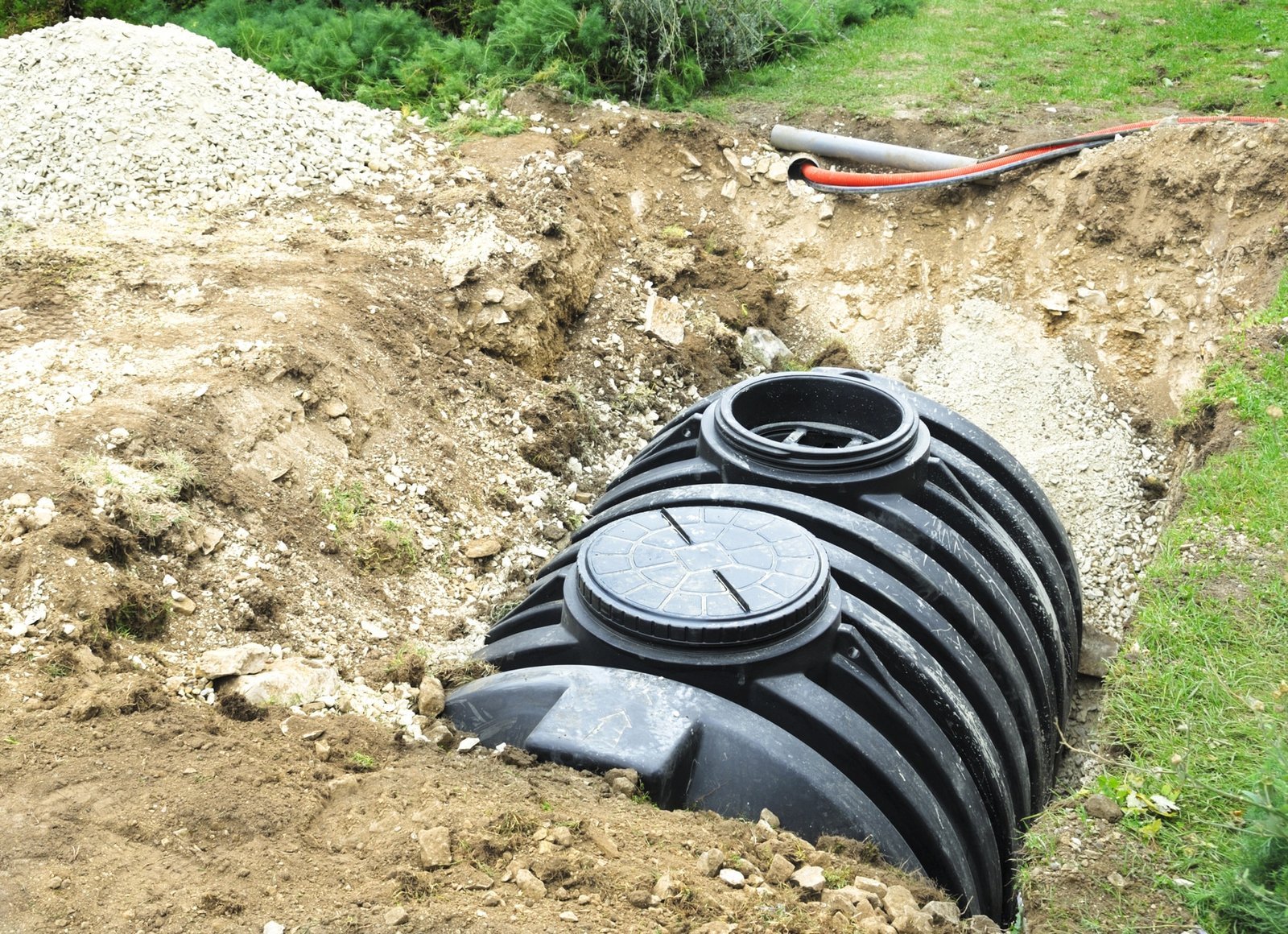
Sewer Testing
Professional sewer testing to help identify leaks, blockages, damaged lines, and connection problems before repairs or property transactions.
- Sewer line condition testing
- Leak and flow issue identification
- Clear findings and recommended next steps
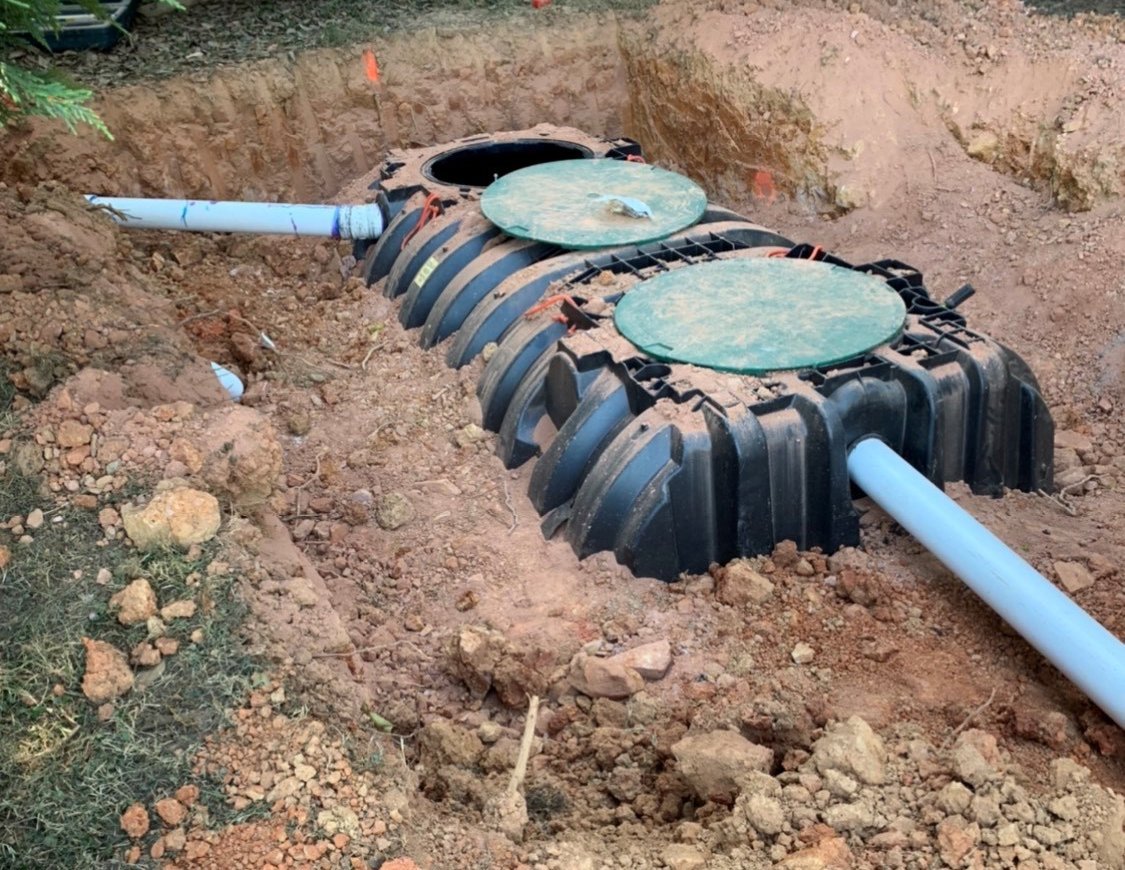
Septic Tank Repairs
Targeted septic tank repairs for damaged components, slow drainage, odors, leaks, and other issues affecting system performance.
- Diagnosis of septic system problems
- Repair of accessible damaged components
- Post-repair function and flow checks
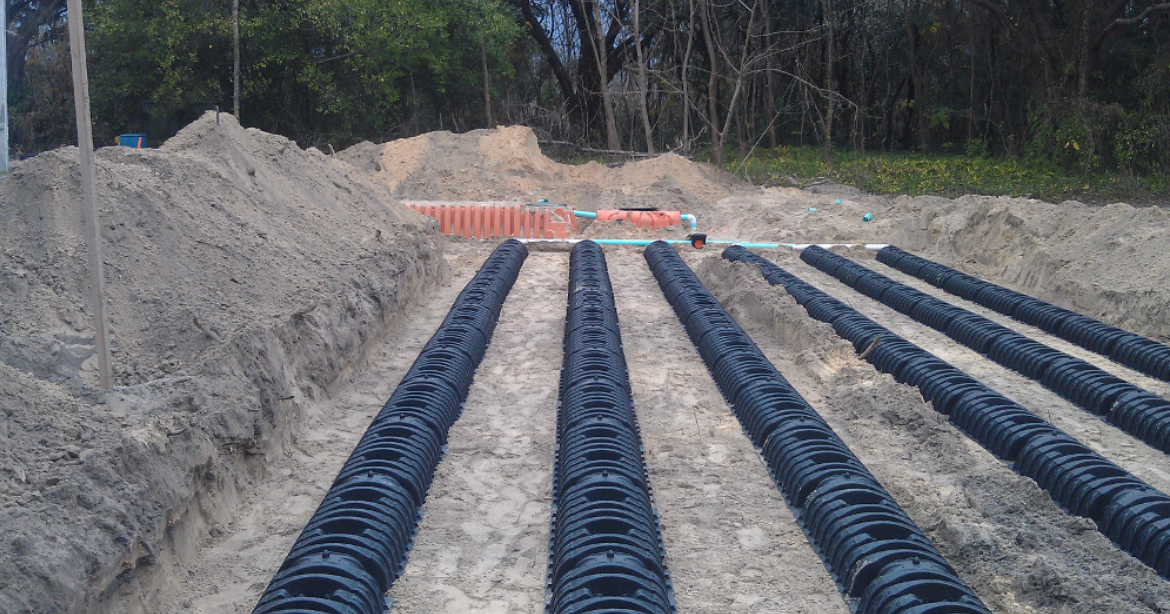
Commercial Septic Systems
Commercial septic service for businesses, multifamily properties, and facilities that need dependable maintenance, pumping, and system support.
- Commercial pumping and waste removal
- Scheduled maintenance planning
- System checks for high-use properties