
SEPTIC TANK PUMPING RENO, NV
Septic Tank Pumping in Reno, NV
Septic tank pumping in Reno, NV helps prevent backups, protect your system, and keep your property running smoothly.
- Licensed & Insured
- Locally Owned
- Serving Since 2016
Get Your Free Quote
Confidential · We respond within one business day
Home › Septic Tank Pumping
Septic tank pumping in Reno, NV helps prevent backups, protect your system, and keep your property running smoothly. We pump residential tanks and provide service for commercial septic systems of different sizes, remove accumulated sludge and scum, and check accessible components for obvious signs of trouble. Whether you are following a routine maintenance schedule or responding to slow drains, odors, or a high-level alarm, we provide clear service and straightforward recommendations.
Reno Septic Service provides professional septic tank service, including septic tank pumping throughout Reno, NV and the surrounding area. Our licensed, insured crew delivers safe, clean, on-time work with a free estimate before anything begins. Call (775) 305-6738 or request your free quote.
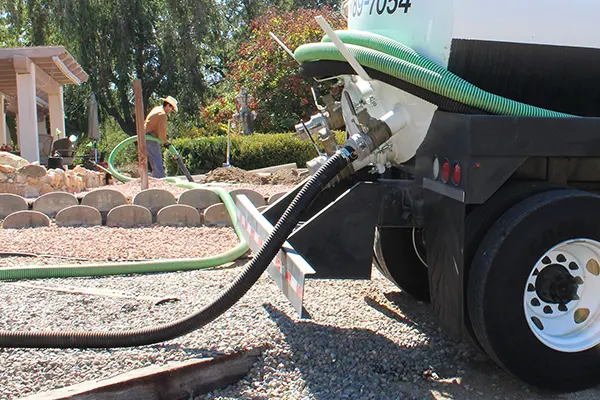
Septic Tank Pumping Tailored to Reno Properties
A septic system should be maintained according to the property, the tank, and the way the household uses water. At Reno Septic Service, we begin each septic tank pumping appointment by confirming the tank location, access point, and any symptoms you have noticed. We ask when the tank was last pumped, how many people use the system, whether the property has a garbage disposal, and whether there have been recent backups, odors, alarms, or unusually slow drains.
Septic systems around Reno can vary considerably. Some tanks have easy-to-reach risers near the surface, while others have buried lids that require careful locating and excavation. Older properties may have limited records or components that are no longer arranged like a modern system. We take access, lid depth, tank size, number of compartments, and the distance from the pumping truck into account before work begins.
We also look at the area around the tank and drainfield for visible warning signs such as standing water, sewage odors, unusually lush growth, damaged lids, or vehicle traffic over the system. These observations help us provide recommendations that fit your property rather than treating every septic tank pumping job as identical.
How We Pump a Septic Tank Thoroughly in Reno
Septic tank pumping is more than removing the liquid that is visible at the top of the tank. A properly serviced tank contains three main layers: floating scum, liquid wastewater, and settled sludge. The purpose of pumping is to remove the accumulated waste before solids can move toward the drainfield and interfere with the soil’s ability to accept wastewater.
First, we confirm safe truck access and identify the correct service opening. If the lid is buried, the access area is opened carefully so the tank can be serviced through the proper port. Once the tank is open, we observe the liquid level and the condition of accessible lids, risers, and components. A liquid level that is unusually high or low can sometimes point to a restriction, leak, or other condition that deserves attention.
We then remove the wastewater, sludge, and scum from the tank. Accumulated material may be broken up during pumping so heavy solids can be removed rather than left behind. When a tank has multiple accessible compartments, each compartment should be serviced. Pumping only through a narrow inspection pipe or removing only the liquid does not provide the same result as pumping through the main service opening.
After pumping, we visually check accessible inlet and outlet components, baffles, filters, walls, and lids for obvious damage or deterioration. We secure the access point when the work is complete and explain anything we observed, including maintenance needs that may require a separate inspection or repair.
What We Check During Septic Tank Pumping
A routine septic tank pumping visit creates an opportunity to look for visible issues before they become larger problems. We check the accessible portions of the tank for cracked or deteriorated lids, damaged risers, corrosion, root intrusion, missing or damaged baffles, and an effluent filter that may need cleaning. We also watch for wastewater flowing back into the tank from the outlet side after pumping, which may indicate that the drainfield or connecting piping needs further evaluation.
The condition of the solids can also provide useful information. A household with heavy water use, frequent guests, a garbage disposal, or a smaller tank may accumulate solids faster than expected. Keeping a record of the pumping date and any observations helps establish a maintenance schedule based on your actual system instead of relying only on a general calendar.
Septic tank pumping is maintenance, not a complete diagnostic inspection of every underground component. Pumping can reveal warning signs, but it cannot by itself confirm the full condition of the drainfield, distribution system, or buried piping. When we see something concerning, we explain the next practical step rather than presenting routine pumping as a cure for a failed component.
Local Conditions, Scheduling, and What to Expect
Septic tank pumping in Reno, NV can usually be performed throughout the year, but weather and property access may affect scheduling. Summer heat, winter snow, frozen ground, narrow driveways, steep lots, gates, and landscaping can all influence how quickly the crew can reach and uncover the tank. Letting us know about access limitations in advance helps us bring the right equipment and avoid unnecessary delays.
For many households, septic tanks are typically pumped every three to five years, but the correct interval depends on tank size, household size, wastewater volume, garbage-disposal use, and the amount of sludge and scum in the tank. Rentals, large families, frequent guests, and high water use may require more frequent service. A property with light use and a larger tank may follow a different schedule.
A routine appointment is generally completed in one visit. The total time depends on whether the tank location is known, how deeply the lid is buried, the amount and condition of the waste, the number of compartments, and how close the truck can park. If the system is already backing up, reduce water use and tell us before the appointment so the situation can be handled with the proper urgency.
Septic Tank Pumping Cost Factors in Reno, NV
The cost of septic tank pumping in Reno, NV depends on more than the number of gallons printed on a tank record. We explain the main factors before service so you understand what affects the estimate and what may change once the tank is uncovered.
Tank size and the number of compartments are major considerations because larger systems and multi-compartment tanks take more time to service. Access also affects the price. A visible riser next to a driveway is faster to reach than a deeply buried lid behind a locked gate or far from a safe truck location. Additional excavation, difficult terrain, long hose runs, heavy solids, or an unknown tank location may increase labor.
Timing can matter as well. Routine service scheduled during normal hours is generally more straightforward than an urgent response to an active backup. If an effluent filter needs cleaning or an accessible component is damaged, we explain the issue before recommending additional work.
We provide clear estimates and practical options whenever possible. Our goal is to complete the necessary pumping without turning a maintenance visit into a list of unnecessary add-ons.
Common Septic Problems We Help Prevent and How to Prepare
Routine septic tank pumping helps keep accumulated solids from reaching the drainfield, where they can clog piping and soil and contribute to expensive system problems. Warning signs that your system may need attention include slow drains throughout the home, gurgling plumbing, sewage odors, a high-level alarm, wet or spongy ground near the tank or drainfield, unusually green grass over the system, and wastewater backing up into fixtures.
Pumping is important maintenance, but it does not repair a broken pipe, failed pump, damaged baffle, saturated drainfield, or other system failure. If symptoms continue after the tank is pumped, additional diagnosis may be needed. Addressing warning signs early is safer and usually less disruptive than waiting for sewage to surface or back up inside the property.
Before the appointment, clear vehicles, trailers, furniture, and stored items from the route to the tank. Unlock gates, secure pets, and let us know about low branches, soft ground, irrigation lines, or other access concerns. If you know where the lid is located, provide that information, but do not drive or park heavy equipment over the tank or drainfield.
After service, keep the pumping date and the technician’s notes with your property records. Use water efficiently, avoid flushing wipes or household waste, limit grease and food solids entering the drains, and keep vehicles and deep-rooted plants away from the drainfield. These simple habits can reduce stress on the system and help you plan the next septic tank pumping appointment before a problem develops.