
SEPTIC TANK SERVICE LOVELOCK, NV
Reliable Septic Tank Service in Lovelock, NV
Our septic tank service in Lovelock, NV helps property owners keep private wastewater systems working properly with pumping, troubleshooting, maintenance, and repair based on the actual tank, drain field, and site conditions. Call today for fast service and a free estimate.
- Licensed & Insured
- Locally Owned
- Serving Since 2016
Get Your Free Quote
Confidential · We respond within one business day
Home › Lovelock
Septic tank service in Lovelock, NV starts with confirming what wastewater system serves the property. The City of Lovelock operates municipal sewer service, while properties outside the city sewer system and throughout surrounding Pershing County may rely on private on-site septic systems. For septic properties, we provide septic tank pumping, system evaluations, troubleshooting, repairs, and maintenance recommendations based on tank size, access, wastewater use, and the condition of the property.
Clear Estimates for Septic Tank Service in Lovelock, NV
A useful septic estimate should explain what the visit is expected to include and what conditions could change the scope of work. Tank capacity, accumulated solids, lid depth, number of compartments, hose distance, digging, truck access, and the symptoms you report can all affect the time and equipment required.
In Lovelock, confirming the wastewater setup is important because properties within the city may be connected to municipal sewer, while homes and buildings farther out in Pershing County may use private septic. A city utility bill, previous septic permit, inspection report, property disclosure, or visible tank and cleanout components can help establish what serves the property before septic work is scheduled.
For properties that do use septic, access can vary considerably. Tanks may sit beneath gravel or landscaping, behind gates, or far from a driveway on larger rural parcels. Fences, trailers, parked vehicles, unpaved access, irrigation, soft ground, and long hose runs can affect where the pumping truck can safely park and how quickly the tank can be reached.
We separate routine maintenance from diagnostic and repair work. Pumping removes wastewater and accumulated solids, but it does not repair a damaged baffle, broken line, failed pump, leaking riser, or disposal-area problem. When symptoms point beyond routine service, we explain why additional troubleshooting or septic tank repairs may be needed before larger work is approved.
Septic Properties Around Lovelock and Pershing County
Lovelock is surrounded by a wide mix of residential, agricultural, and rural properties. Inside the city, municipal utilities serve many developed parcels, while properties beyond the sewer system can rely on private septic tanks and disposal fields. That difference matters because septic maintenance, access, and long-term planning are specific to the individual property.
Private systems can vary substantially from one parcel to another. One home may have a conventional gravity tank and leach field with accessible risers, while another may use pumps, alarms, multiple compartments, or a disposal area located well away from the building. Older rural properties may have buried access points, limited documentation, or later improvements that changed how the property is used around the system.
Before recommending work, we consider the complete site, including the tank, leach field, driveway, structures, fencing, irrigation, drainage, outbuildings, mature vegetation, and any private well. The goal is to reach and service the system without driving over buried components or creating unnecessary excavation.
Previous septic permits, pumping receipts, inspection reports, repair invoices, and property disclosures can help establish the tank size, approximate location, system type, and prior work. These records are especially valuable on acreage properties where the tank and disposal area may not be obvious from the surface.
Vehicles and heavy equipment should stay off both the septic tank and disposal field. Tank lids and older concrete components can fail under concentrated weight, while compacting soil over a leach field can reduce its ability to accept and treat wastewater.
Septic Pumping and Maintenance in Lovelock's Dry Climate
The right pumping schedule depends on the system and how the property is used, not a single interval that fits every household. Tank size, occupancy, water use, garbage-disposal use, rental turnover, and the amount of sludge and scum inside the tank all affect how quickly service is needed.
Lovelock’s dry climate does not eliminate the need to protect the soil around a septic disposal field. Septic systems depend on available soil capacity to receive and treat wastewater, so unnecessary irrigation, drainage, or runoff directed toward the field can add water where the system needs room to function.
Access can also change with the seasons. Freezing conditions, storms, wet ground, and muddy unpaved approaches can make buried lids harder to reach or limit where a heavy pumping truck can travel safely. On larger rural properties, sharing gate, road, and tank-location information before the appointment helps the crew plan the visit correctly.
Daily water habits matter as well. Several loads of laundry, long showers, leaking toilets, or a house full of guests can send a large volume of wastewater into the system over a short period. Spreading high-water activities throughout the week and repairing plumbing leaks reduces hydraulic stress on the tank and leach field.
Only human waste and toilet paper should be flushed. Wipes, grease, cooking oil, paper towels, hygiene products, cat litter, chemicals, and household debris can clog piping, increase solids, damage pumps, or interfere with treatment inside the tank. Keep the disposal field free of vehicles, structures, paving, and heavy storage so the system remains protected and accessible.
Septic Repairs, Leach Field Concerns, and Pershing County Requirements
Pumping is important maintenance, but it is not a repair for every septic problem. Recurring backups, pump alarms, wastewater returning to the tank, damaged lids, root intrusion, broken baffles, leaking risers, or sewage surfacing outside can indicate a separate component or disposal-area issue.
Leach field symptoms require careful evaluation because several problems can look similar. Slow drainage may result from an overfull tank, a blocked building sewer, a failed pump, damaged distribution piping, unusually heavy water use, or soil that is no longer accepting wastewater effectively. We use the visible conditions and service history to narrow the likely cause before recommending larger work.
Not every wet area means the entire system has failed, and not every backup can be solved by pumping. A repairable line, filter, float, alarm, lid, riser, baffle, or distribution component may be involved. Persistent high liquid levels, repeated surfacing, or wastewater flowing back from the outlet side can point to a disposal-area issue that needs additional evaluation.
Pershing County Building Department is responsible for issuing permits for septic systems and publishes a septic permit application along with applicable installation standards. Repairs, replacements, and new systems should be planned around the permit and inspection requirements that apply to the specific project. A new septic tank installation should account for system capacity, site conditions, setbacks, access, and adequate disposal-field space.
Property owners planning septic work can review the Pershing County Building Department septic resources for current permit applications and installation standards. Identifying the tank, piping, leach field, and future replacement area before adding structures or driveways can help protect the existing system and preserve access.
Warning Signs and How to Prepare for Septic Service in Lovelock
Call for service when several drains become slow at the same time, toilets gurgle, sewage backs up, an alarm activates, strong odors develop near the tank or leach field, or part of the yard becomes unexpectedly wet or spongy. A single slow fixture may be a local plumbing clog, but symptoms throughout the building can point to the main line, tank, pump, or disposal area.
If sewage is surfacing outdoors or backing up inside, reduce water use immediately. Keep children and pets away from the affected area, avoid direct contact, and do not enter or lean into an open septic tank. Tanks can contain dangerous gases, unstable lids, and serious fall hazards.
Before the appointment, gather any available septic records and note when the tank was last pumped. Tell us about alarms, odors, backups, heavy water use, previous repairs, or construction completed since the last service. Unlock gates, secure pets and livestock, move vehicles and trailers, and clear a reasonable route to the suspected tank location.
If you are unsure whether the property is connected to City of Lovelock sewer or served by a private septic system, check utility records, prior inspections, property disclosures, or county permit records first. Confirming the system type can prevent an unnecessary pumping visit and helps identify the correct next step.
When you contact Reno Septic Service for a Lovelock property, describe the location, access, symptoms, known tank location, and service history. We can help determine whether the practical next step is routine pumping, locating and opening the tank, checking accessible components, troubleshooting a system problem, or planning repair work.
Our Septic Services in Lovelock, NV
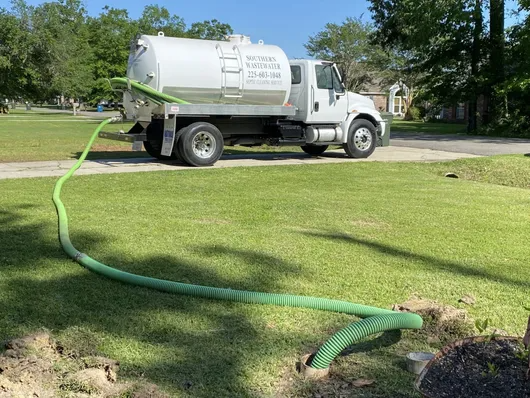
Septic Tank Pumping
Routine septic tank pumping for Lovelock and Pershing County properties with private systems to remove accumulated solids, reduce backup risk, and support dependable performance.
- Complete tank pumping and waste removal
- Sludge and scum level evaluation
- Visual check of lids, baffles, and accessible components
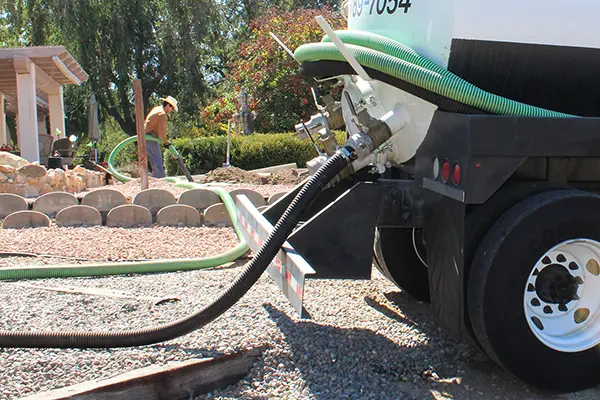
Septic Tank Service
Full-service septic care for routine maintenance, troubleshooting, and system evaluations to help residential systems operate safely and efficiently.
- General system condition assessment
- Tank, lid, baffle, and line checks
- Maintenance recommendations based on findings
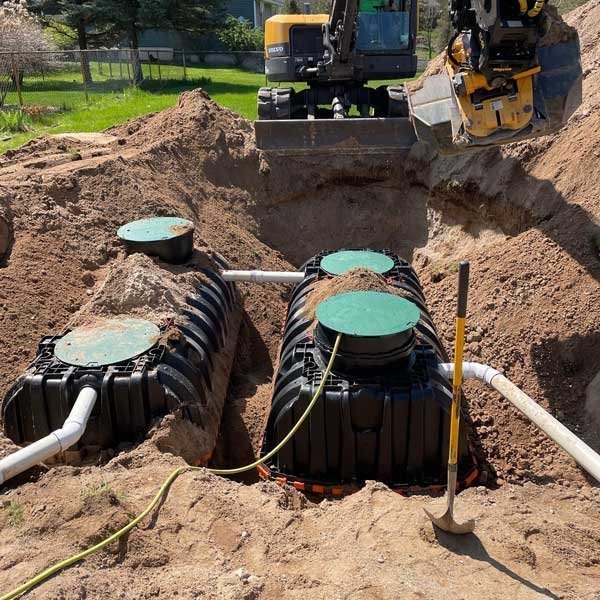
Septic Tank Installation
Septic tank installation for new construction and replacement systems, planned around property conditions, capacity needs, and local requirements.
- Site and system requirement review
- Tank placement and installation coordination
- Final connection and operating checks
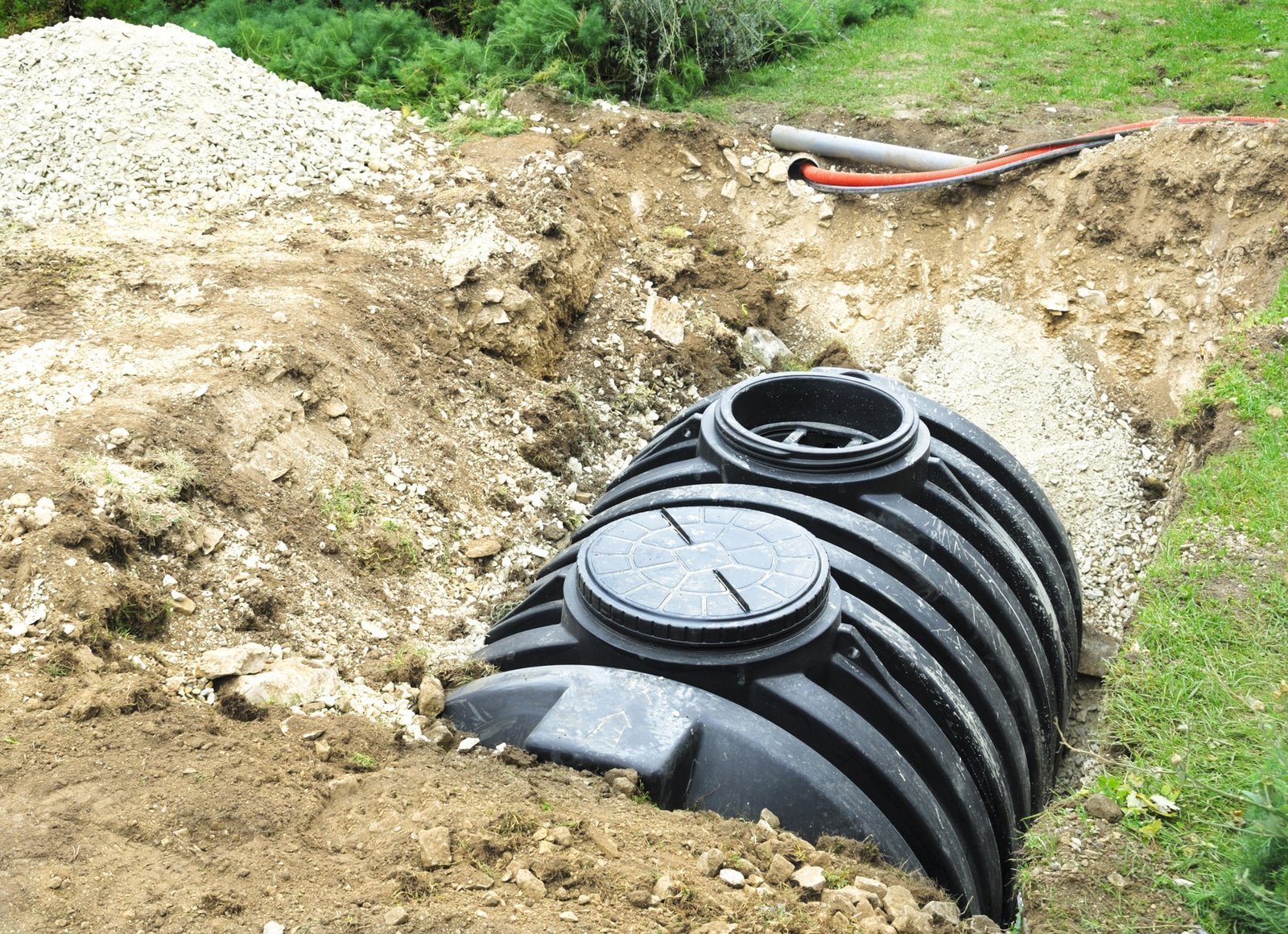
Sewer Testing
Professional sewer testing to help identify leaks, blockages, damaged lines, and connection problems before repairs or property transactions.
- Sewer line condition testing
- Leak and flow issue identification
- Clear findings and recommended next steps
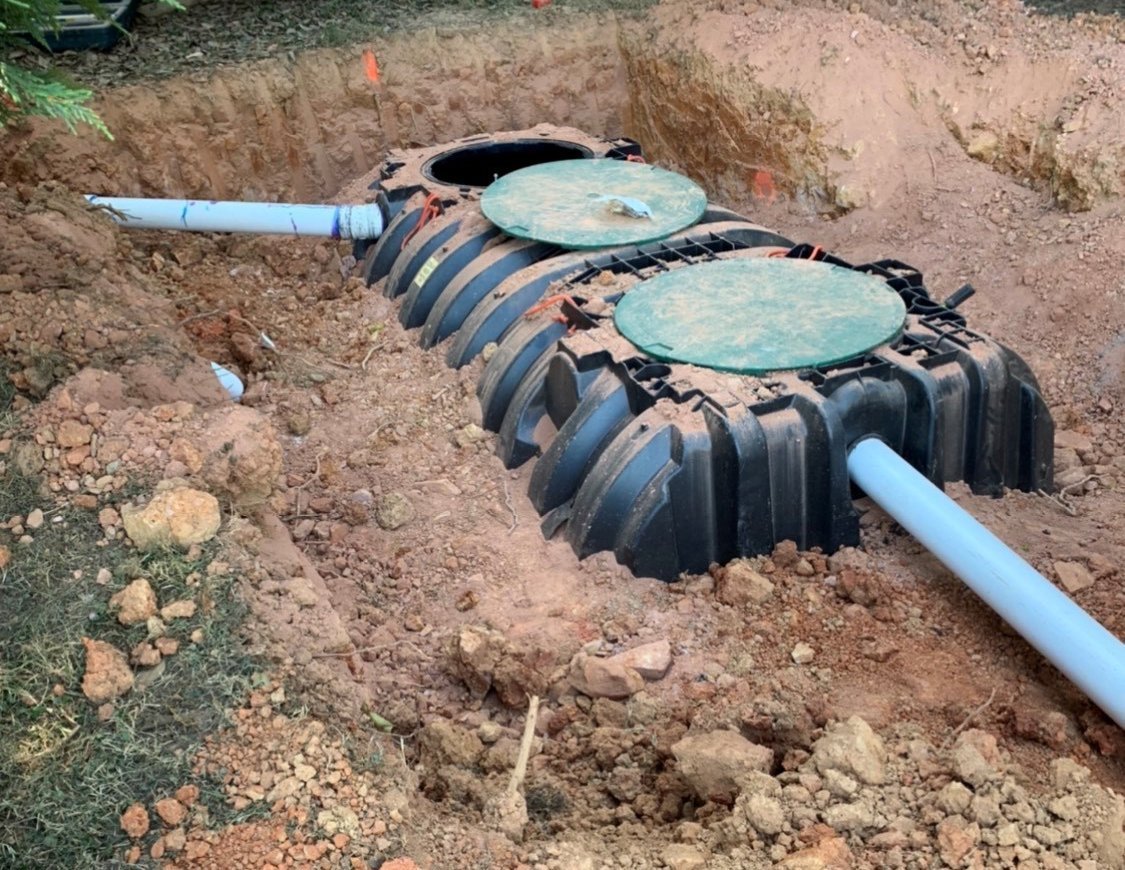
Septic Tank Repairs
Targeted septic tank repairs for damaged components, slow drainage, odors, leaks, and other issues affecting system performance.
- Diagnosis of septic system problems
- Repair of accessible damaged components
- Post-repair function and flow checks
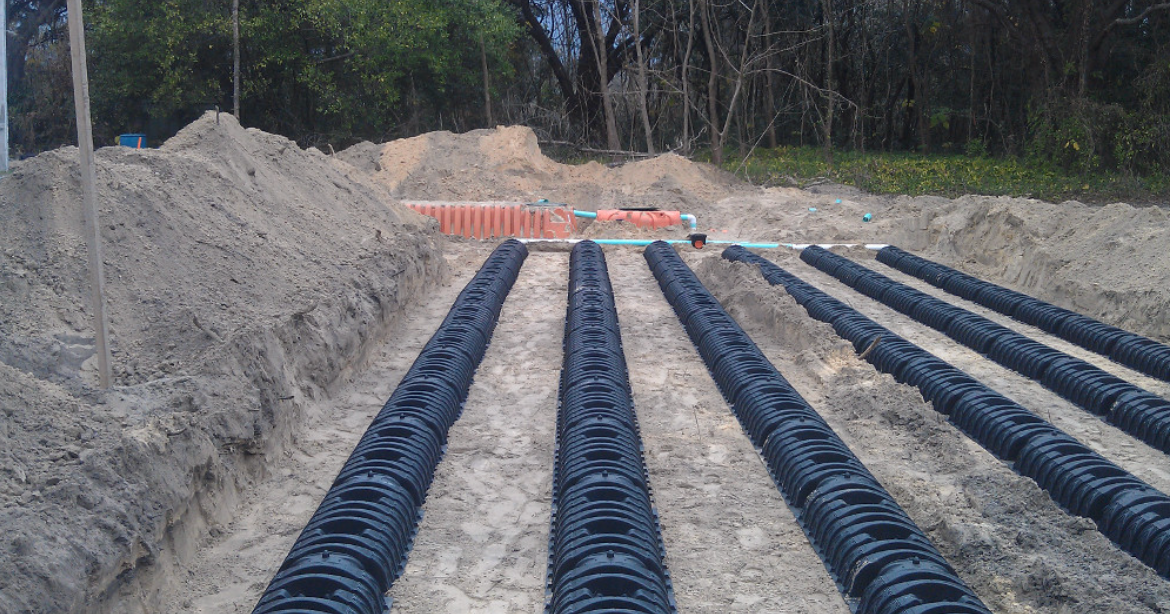
Commercial Septic Systems
Commercial septic service for businesses, multifamily properties, and facilities that need dependable maintenance, pumping, and system support.
- Commercial pumping and waste removal
- Scheduled maintenance planning
- System checks for high-use properties