SEPTIC TANK SERVICE SUN VALLEY, NV
Dependable Septic Tank Service in Sun Valley, NV
Our septic tank service in Sun Valley, NV gives homeowners, landlords, and property managers a clear path forward for routine pumping, backups, odors, and system concerns. Call today for a fast, free estimate.
- Septic Pumping
- System Troubleshooting
- Repair Planning
Get Your Free Quote
Confidential · We respond within one business day
Home › Sun Valley
When searching for septic tank service Sun Valley, NV property owners should first confirm whether the address uses a private septic system or public sewer service. The Sun Valley General Improvement District provides water and sewer service across much of the community, while some properties outside a public sewer connection may still rely on onsite wastewater disposal. For confirmed septic properties, we help identify whether the next step is septic tank pumping, locating and opening the tank, checking accessible components, troubleshooting a backup, or planning repair work.
Clear Septic Service Estimates for Sun Valley Properties
A useful estimate starts with the property, not a flat assumption about every tank. Tank size, waste level, lid depth, the number of compartments, hose distance, digging, truck access, and the symptoms you report can all affect the time and equipment required.
In Sun Valley, confirming the wastewater setup is especially important because many addresses are served by the local sewer district. A utility bill, prior inspection, septic permit, pumping receipt, or visible tank riser may help establish whether the property actually has a private system before a pumping appointment is scheduled.
For a private septic property, access often determines how straightforward the visit will be. Buried lids, fenced yards, gravel, sheds, parked vehicles, RVs, narrow gates, and long hose runs can add work. Letting us know about these conditions in advance helps us arrive prepared and reduces avoidable delays.
We also separate maintenance from diagnosis. Pumping removes wastewater and accumulated solids, but it does not repair a broken line, failed pump, damaged baffle, cracked lid, leaking riser, or disposal field problem. When the symptoms point beyond a full tank, the estimate should explain what additional evaluation may be needed and why.
Private Septic Systems Within a Sewer-Served Community
Sun Valley General Improvement District maintains public sewer infrastructure throughout much of the community. That means a Sun Valley mailing address alone does not prove that a property has a septic tank. Before arranging service, owners should confirm whether wastewater leaves through a district cleanout or flows into a private tank and soil treatment area.
Where private septic systems remain, the system layout can vary. Some tanks have accessible risers, while older systems may have buried concrete lids, limited records, or components installed before later fences, sheds, driveways, and landscaping changed the yard.
A proper service visit considers the tank, inlet and outlet, drain field, replacement area, driveway, structures, slopes, irrigation, and any private well. The goal is to reach the tank safely without driving over lids, piping, or the disposal area.
If the system location is uncertain, prior permits, pumping records, inspection reports, and property disclosures can provide a starting point. Marking the tank and keeping a simple service history makes future appointments faster and gives a buyer or repair contractor better information.
Heavy vehicles and equipment should remain off the tank and drain field. Older lids can be damaged by weight, and compacted soil over the disposal area can reduce the soil’s ability to accept and treat wastewater.
Septic Pumping and Everyday Maintenance in Sun Valley
The correct pumping schedule depends on tank capacity, occupancy, water use, garbage-disposal use, rental turnover, and the measured amount of sludge and scum. A household with more occupants or heavy water use may need attention sooner than a lightly used property with a larger tank.
Seasonal conditions can affect service access. Snow, ice, and frozen soil make buried lids harder to locate and expose. During wet periods or snowmelt, soft ground can limit where a pumping truck can park. Keeping the tank location documented and the access route reasonably clear can prevent unnecessary digging and delays.
Water use inside the building directly affects the system. Several laundry loads, long showers, leaking toilets, or a large gathering can send more wastewater to the tank and drain field than the system normally receives. Spreading high-water activities across the week and repairing leaks reduces hydraulic stress.
Only human waste and toilet paper should be flushed. Wipes, grease, cooking oil, paper towels, hygiene products, cat litter, and chemicals can clog piping, increase solids, damage pumps, or interfere with treatment inside the tank.
Protect the drain field by keeping vehicles, buildings, pavement, and storage off it. Direct roof runoff and excess irrigation away from the treatment area. These habits do not replace pumping, but they help reduce preventable system stress.
Backups, Septic Repairs, and Replacement Planning
A full tank can cause slow drains and backups, but pumping should not be presented as a permanent fix for every problem. Recurring backups, sewage odors, damaged lids, alarm conditions, wastewater returning to the tank, or wet ground near the disposal area may point to a separate component or drain field issue.
Several problems can produce similar symptoms. A blocked building sewer, failed pump, damaged baffle, clogged filter, broken distribution piping, excessive water use, or saturated soil may all affect flow. The condition observed during service helps determine whether routine maintenance is enough or whether septic tank repairs should be evaluated.
Not every wet spot means the entire drain field has failed. A repairable line, lid, riser, float, alarm, filter, or distribution component may be involved. Persistent high liquid levels, repeated surfacing, or wastewater flowing back from the outlet side can indicate a larger disposal-area concern.
When a tank or disposal system must be replaced, a new septic tank installation should be planned around property access, approved capacity, setbacks, soil conditions, and enough room for the active and future replacement area. Additions, garages, driveways, and major landscaping should not block existing components or reserved septic space.
Before excavation, underground utilities should be located and the permitted system layout should be reviewed. Planning access and protecting nearby improvements helps prevent delays and accidental damage.
Warning Signs and How to Prepare for a Service Visit
Call for service when several drains become slow at once, toilets gurgle, sewage backs up, an alarm activates, strong odors appear near the tank or drain field, or an area of the yard becomes unexpectedly wet or spongy. A single slow fixture may be a local plumbing clog, but symptoms throughout the building can point to the main line, tank, pump, or disposal area.
If sewage is entering the building or surfacing outdoors, reduce water use immediately. Keep children and pets away, avoid direct contact, and do not open or enter the tank. Septic tanks can contain dangerous gases, unstable lids, and fall hazards.
Before the appointment, gather available records, note the last pumping date, unlock gates, secure pets, move vehicles, and clear a route to the suspected tank location. Tell the service provider about alarms, odors, backups, recent heavy water use, previous repairs, or construction completed since the last visit.
For permit, replacement-system, and septic-record information in Washoe County, review Northern Nevada Public Health’s septic system guidance. Confirming the applicable requirements before excavation helps prevent incomplete or unapproved work.
When contacting Reno Septic Pumping for a Sun Valley property, describe the address, symptoms, known tank access, and service history. We can help determine whether the next practical step is confirming the wastewater system, routine pumping, locating and opening a tank, inspecting accessible components, or planning additional evaluation.
Our Septic Services in Sun Valley, NV
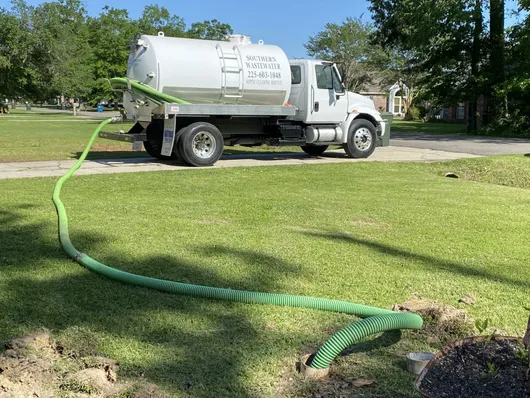
Septic Tank Pumping
Routine septic tank pumping for Sun Valley-area properties with confirmed private systems to remove accumulated solids, reduce backup risk, and support dependable performance.
- Complete tank pumping and waste removal
- Sludge and scum level evaluation
- Visual check of lids, baffles, and accessible components
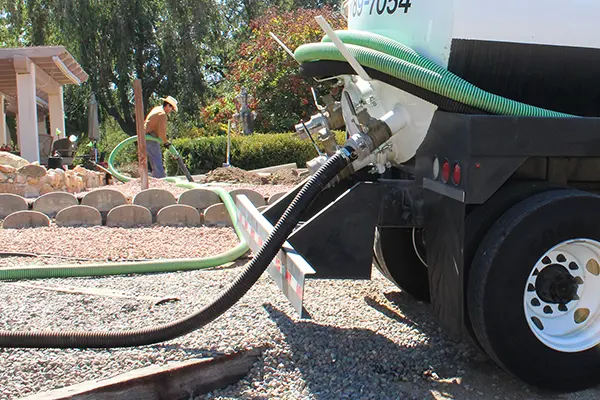
Septic Tank Service
Full-service septic care for routine maintenance, troubleshooting, and system evaluations to help residential systems operate safely and efficiently.
- General system condition assessment
- Tank, lid, baffle, and line checks
- Maintenance recommendations based on findings
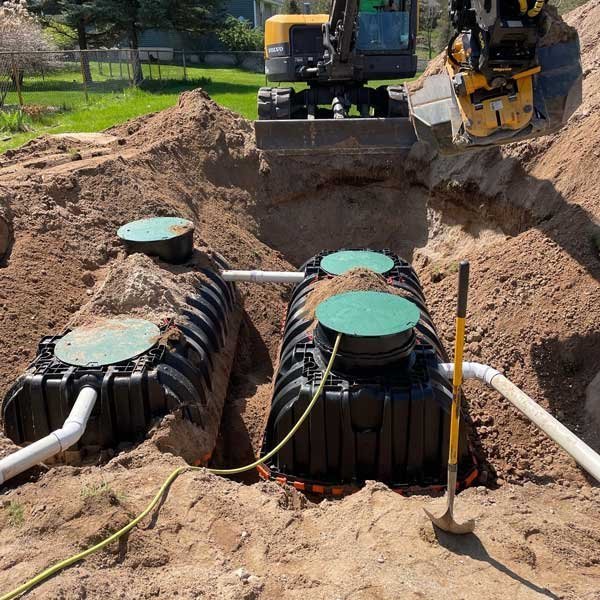
Septic Tank Installation
Septic tank installation for new construction and replacement systems, planned around property conditions, capacity needs, and local requirements.
- Site and system requirement review
- Tank placement and installation coordination
- Final connection and operating checks
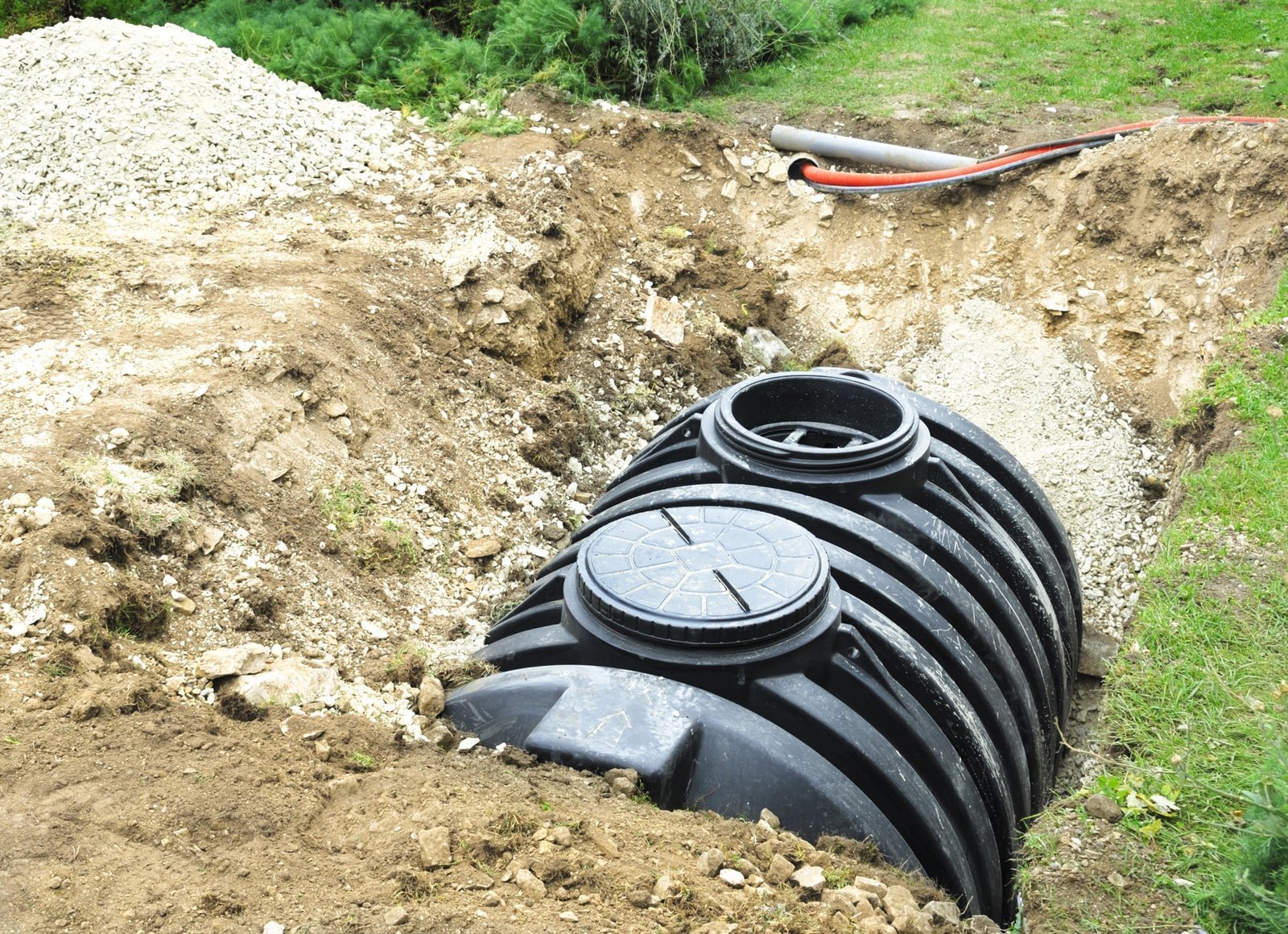
Sewer Testing
Professional sewer testing to help identify leaks, blockages, damaged lines, and connection problems before repairs or property transactions.
- Sewer line condition testing
- Leak and flow issue identification
- Clear findings and recommended next steps
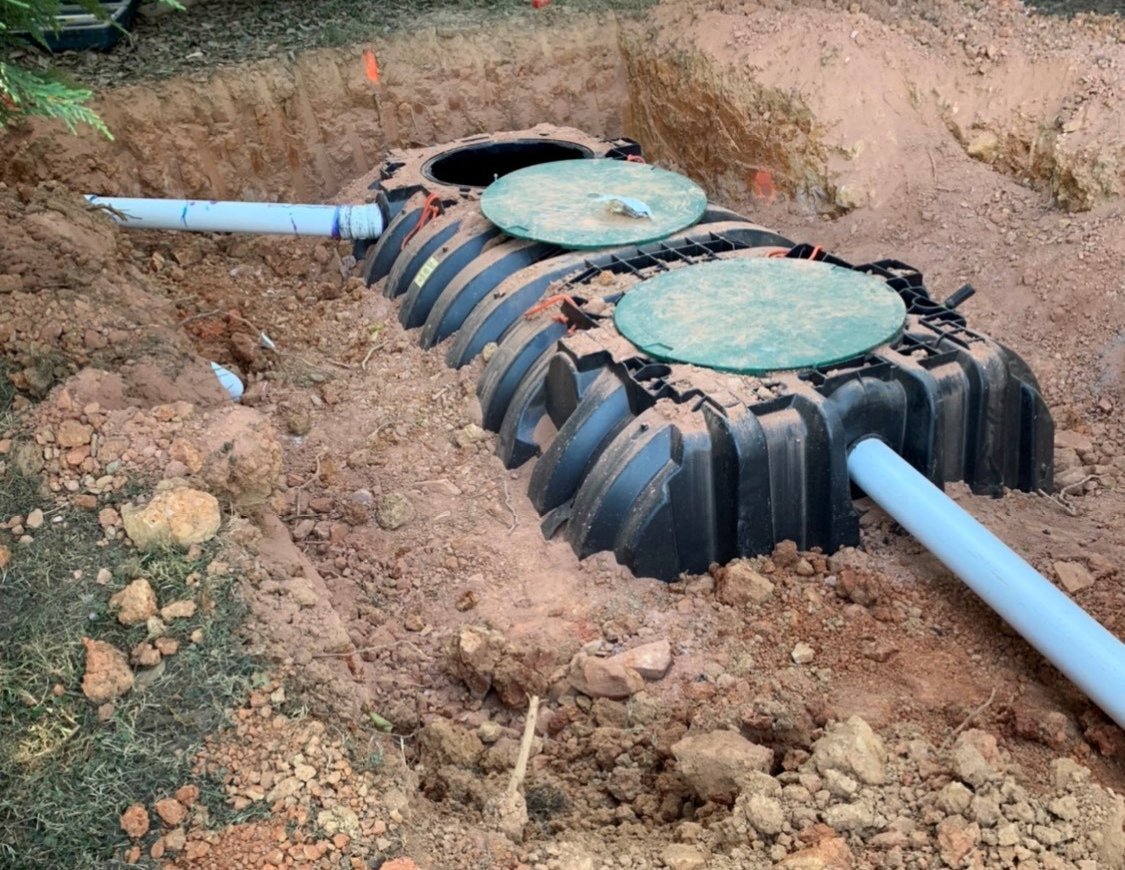
Septic Tank Repairs
Targeted septic tank repairs for damaged components, slow drainage, odors, leaks, and other issues affecting system performance.
- Diagnosis of septic system problems
- Repair of accessible damaged components
- Post-repair function and flow checks
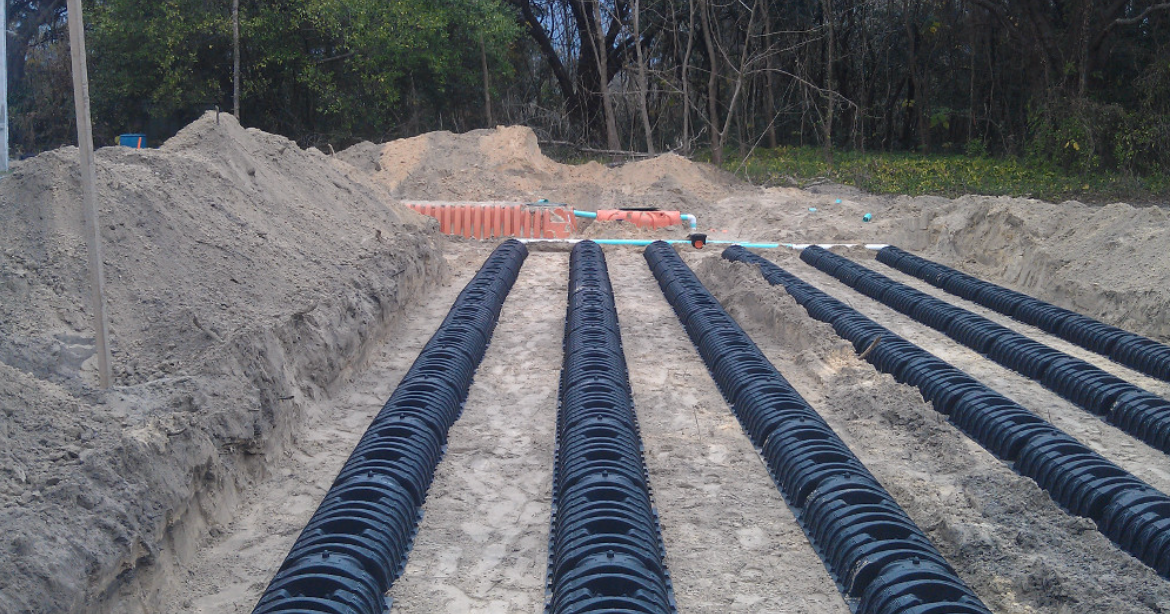
Commercial Septic Systems
Commercial septic service for businesses, multifamily properties, and facilities that need dependable maintenance, pumping, and system support.
- Commercial pumping and waste removal
- Scheduled maintenance planning
- System checks for high-use properties